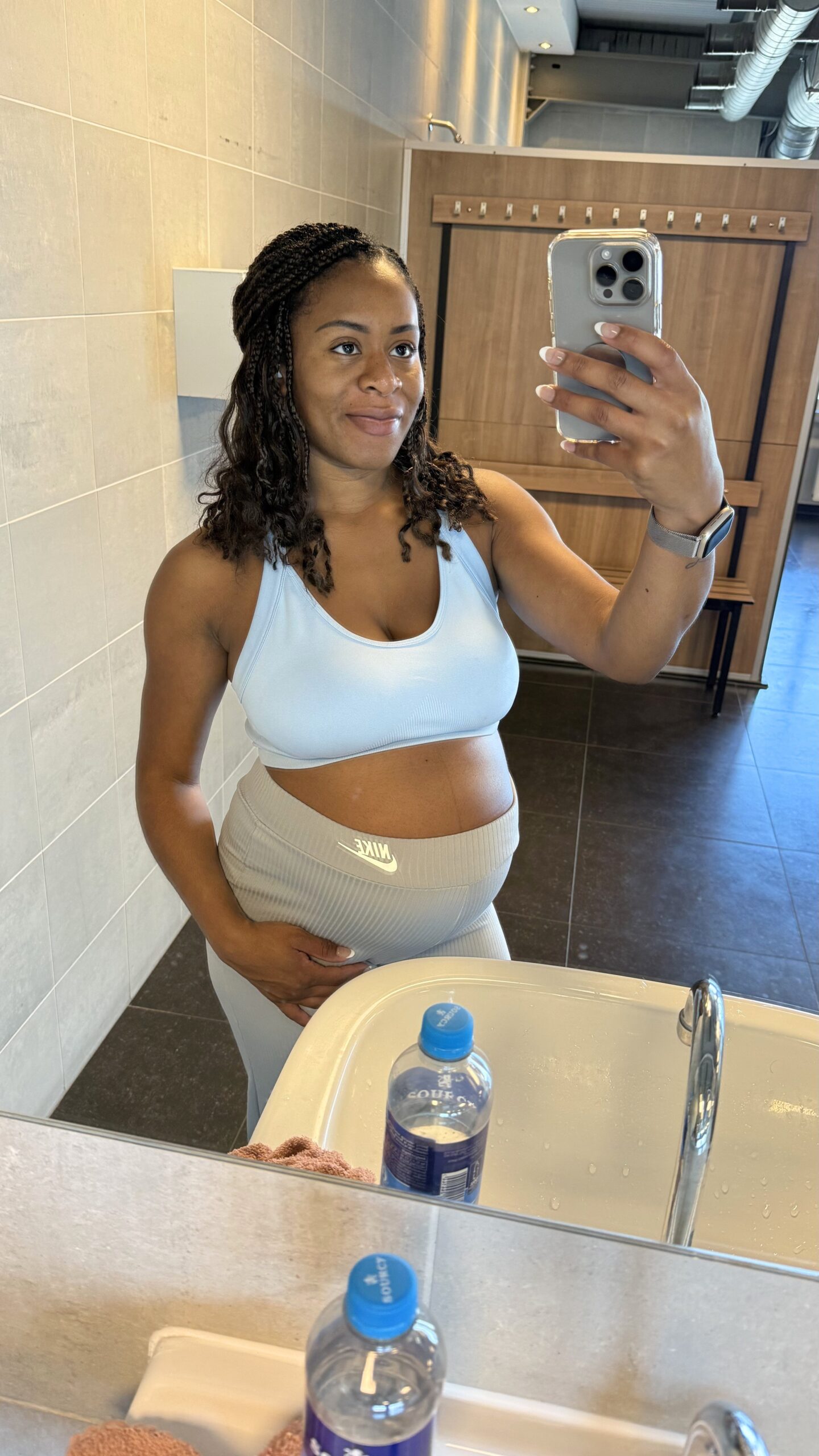
When I got my first period around 13 or 14, I still remember lying in bed completely destroyed by cramps.
My mom and dad were standing around me, trying to help, but honestly… they had no idea what to do.
Later on, I talked to my mom about it, and she told me that when she was younger, she used to have such intense period pain that all she could do was lie down and wait for it to pass.
And for a long time, that was my reality too.
As I got older, it wasn’t just the physical pain anymore.
I also started dealing with mental and emotional symptoms right before my period.
The mood changes.
The heaviness.
The irritability.
The emotional overwhelm.
And if you know, you know.
Sometimes it can feel like your entire body and mind are working against you.
But over time, something changed for me.
And that change started with movement.
When I first started working out 12 years ago, I didn’t train at all during my period
Not because I didn’t want to, but because I felt too tired, too heavy, too crampy, and honestly… too miserable.
At first, I slowly worked my way up to light cardio during my period.
Then eventually to light strength training.
And now?
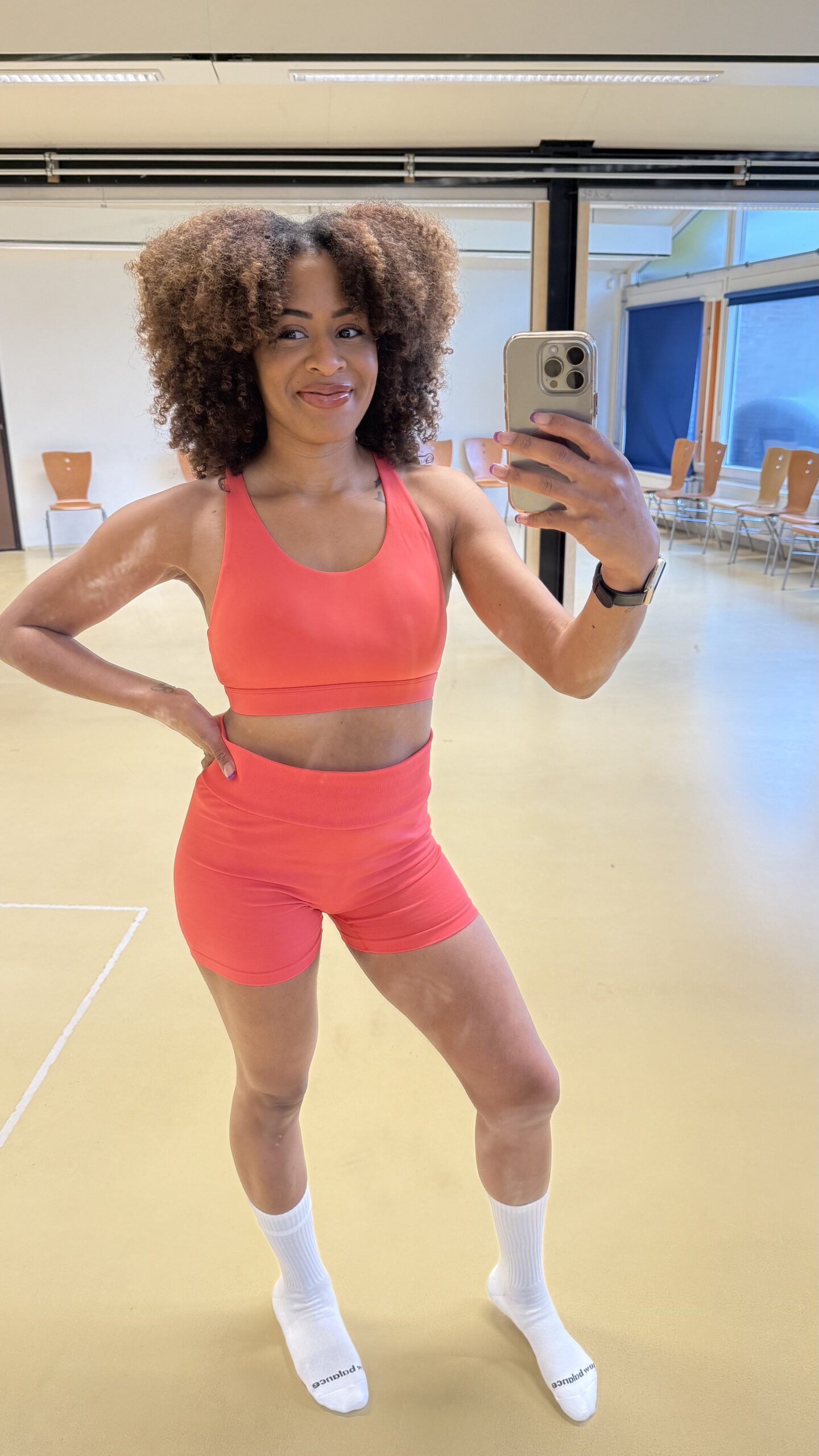
I can do heavy strength training during my period without it completely wrecking me.
That didn’t happen overnight.
But it did teach me something really powerful:
your period does not always have to feel like suffering.
What’s actually happening in your body during your period
During your menstrual cycle, your hormones are constantly shifting.
Right before and during your period, estrogen and progesterone drop, which is one of the reasons you may feel more emotional, more fatigued, more sensitive, or more mentally off. At the same time your body releases prostaglandins, which are hormone-like chemicals that help your uterus contract so it can shed its lining. That’s where the cramps come from.
The problem is:
If prostaglandin levels are high, those contractions can become way more intense.
Which can lead to:
- stronger cramps
- lower back pain
- nausea
- headaches
- bloating
- fatigue
- mood swings
That’s why your period can affect both your body and your mental state at the same time.
And this is exactly where exercise, nutrition, and lifestyle make such a big difference.
Why exercise can help period pain and mental health
Movement helps your body in more ways than most women realize.
When you exercise consistently, your body tends to handle inflammation, blood flow, stress, and hormone shifts better over time.
And that matters a lot during your cycle.
Exercise may help reduce period symptoms by supporting better blood flow, lowering stress, and improving mood-related symptoms in many women, although results can vary from person to person.
1. Exercise can help reduce cramps
When you move your body, you increase circulation and blood flow.
That improved blood flow may help your body manage pain and tension better, especially around your lower abdomen, pelvis, and lower back.
For a lot of women, being completely inactive during their period can actually make them feel more stiff, more cramped, and more uncomfortable.
2. Exercise supports your mood
This one is huge.
When you move your body, you also support your brain.
Exercise can help regulate stress, support emotional stability, and improve your overall mood.
And if you’re someone who struggles more with the mental side of your cycle like low mood, irritability, anxiety, or emotional heaviness.. this matters so much.
Sometimes what feels like “I need to stay in bed all day” is actually your body needing gentle support, not full shutdown.
3. Exercise helps your nervous system
A lot of period symptoms don’t just come from hormones.
They’re also deeply connected to your stress load and nervous system.
If your body is constantly overstimulated, under-recovered, inflamed, undernourished, and stressed… your cycle often reflects that.
That doesn’t mean exercise is some magic fix.
But it can absolutely become part of a lifestyle that helps your body feel safer, stronger, and more regulated.
Why strength training helped me the most
For me personally, strength training changed everything.
And no, I’m not saying you need to go crush a PR on day one of your period.
But over time, building muscle, improving my metabolism, supporting my hormones, and becoming more in tune with my body made a massive difference.
Strength training helped me feel:
- stronger in my body
- more resilient during my cycle
- less fragile around my period
- more mentally stable overall
And I think one of the biggest shifts was this:
I stopped treating my body like it was constantly “broken” every month.
Instead, I started supporting it better.
You do not always need to train less on your period
This is something I really want to say clearly:
You do not automatically need to stop training just because you’re on your period.
Some women genuinely feel better doing lighter workouts.
And if that’s you, honor that.
But other women actually feel better when they keep moving.
That’s me.
These days, I barely struggle with my period compared to how I used to.
I usually don’t need to adjust my training much at all.
What I do pay more attention to is my nutrition.
What I eat during my period to support my body
I absolutely notice a difference when I support my body better with food during my cycle.
During my period, I focus more on:
- healthy fats
- high-quality protein
- iron-rich foods
- nutrient-dense meals
Things like:
- eggs
- red meat
- liver
- salmon
- Greek yogurt
- fruit
- potatoes
- nourishing warm meals
Why does that matter?
Because your body is literally going through a physically demanding process.
You’re losing blood.
Your energy may be lower.
Your body is working harder behind the scenes.
Supporting it with enough protein, minerals, healthy fats, and iron-rich foods can make a huge difference in how you feel.
And honestly?
Undereating, overtraining, or living off sugar and caffeine while expecting your body to feel amazing on your period… usually doesn’t work out very well.
What helped me most over the years
If I had to sum it up, these are the things that made the biggest difference for me:
- staying consistent with training
- continuing to move during my period
- building up my exercise tolerance over time
- eating more nutrient-dense foods
- supporting my body instead of fighting it
And the biggest thing?
Learning to listen to my body without babying it.
That balance changed a lot for me
If your period currently feels heavy, painful, mentally draining, or disruptive… I just want you to know this:
That may be common, but it does not mean it should automatically be your normal forever.
Your body is always communicating with you.
And sometimes the answer isn’t doing less forever.
Sometimes it’s learning how to support your body better through movement, strength, nourishment, and consistency.
That’s what changed things for me.
Today, I barely struggle with my period.
I don’t need to completely plan my life around it.
I don’t need to stop training because of it.
And that has been such a gift.
Not because my body became “perfect.”
But because I learned how to work with it instead of against it.
And that changes everything.